

Orofacial Myology
What it is
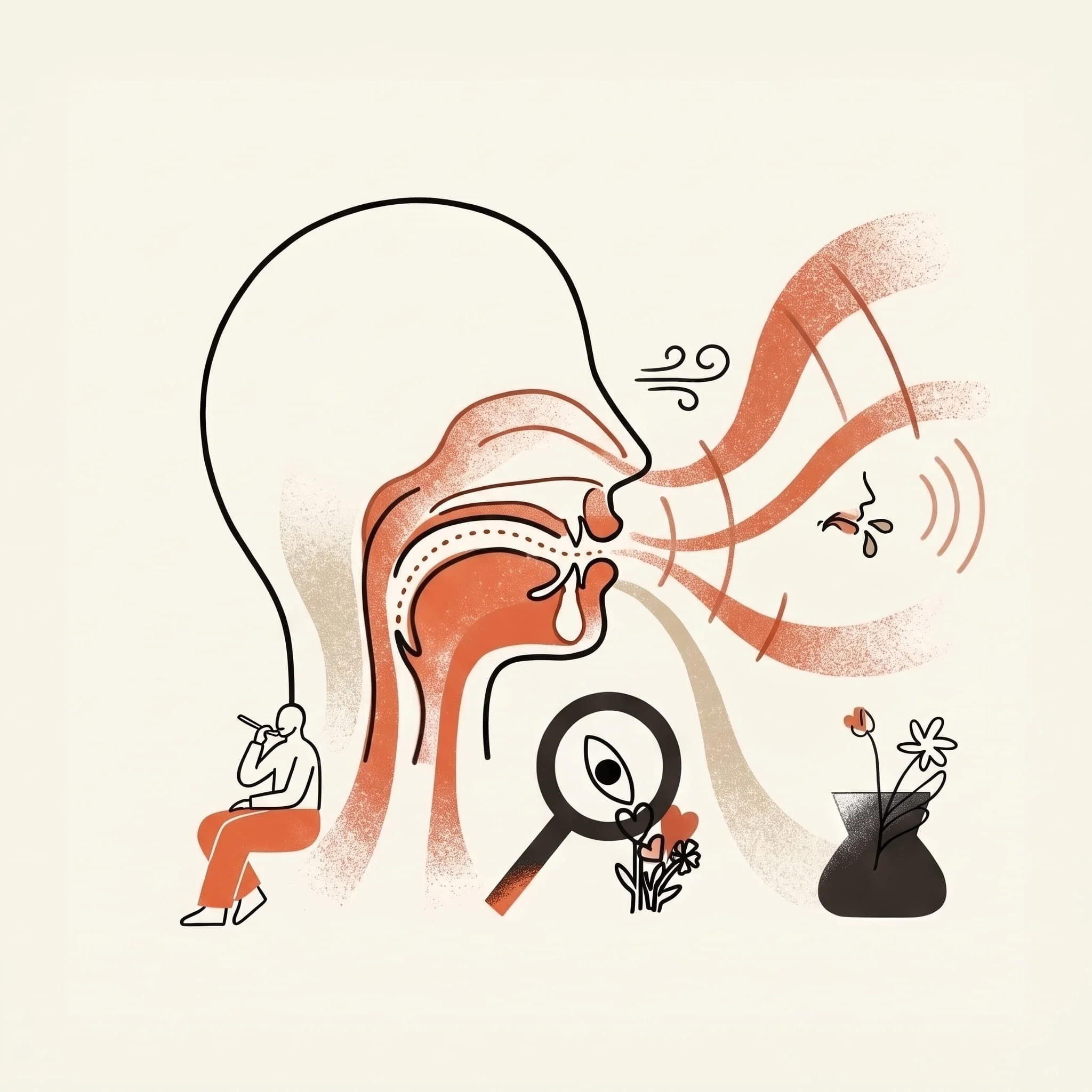
Orofacial myology looks at how the muscles of the face, mouth, tongue and jaw work when we breathe, swallow, chew, speak and rest.
If these muscles aren’t working well together, it can show up in a range of ways: mouth breathing, the tongue pushing forward when swallowing, ongoing sucking habits, or teeth that shift after orthodontic treatment. Over time, these patterns can affect how the face and jaw develop and how well dental or orthodontic treatment holds.
Our speech pathologists provide orofacial myofunctional therapy, a structured exercise program that retrains these muscles and builds better habits. We often work alongside dentists, orthodontists, ENTs and GPs so therapy fits with any other treatment underway.
Who it can help
We see children, teenagers and adults with:
Mouth breathing, lips apart at rest, or snoring
Tongue thrust (the tongue pushing against or between the teeth when swallowing)
A low or forward resting tongue position
Thumb or finger sucking, prolonged dummy use, or nail and lip biting
Open bite, crowding or a narrow palate, or teeth moving after braces
Lisps and other speech sounds affected by tongue placement
Messy or effortful chewing and eating
Tongue tie, before or after release
Jaw tension, clenching or grinding

Working with your dentist or orthodontist
If you or your child are having orthodontic treatment, therapy can help the muscles support that work rather than undo it. We accept referrals from dental practices and, with your consent, keep your treating team updated.
How it works
We start with an assessment of breathing, posture, swallowing, chewing, speech and habits. From there, we set up a home exercise program with regular review sessions to track progress and adjust as needed. Sessions are available in clinic, at home, or by telehealth.
To book an assessment, get in touch with our team.